
President: Alistair Hugh
Vice President: Robin McAlpine
Immediate Past President: Bill Brown
Raith Probus Secretary: Allan Morton
Contact E Mail : RaithProbusSec@gmail.com
The Club meets on the first and third Tuesday of each month at 10:30am. We meet at Pathhead Parish Church Hall, 33 Harriet Street, Kirkcaldy KY1 2AG.
FUTURE TALKS:
If any club member has had a particularly interesting career or has a hobby and wishes to share by giving a talk, please contact any committee member.
.
Raith Probus Club Meeting Number 994
Pathhead Church 15th September 2026
President Alistair Hugh opened the meeting at 10:30hrs.
Introduction to Speaker:
Speaker: Gordon Stewart
Topic: “International Fire and Rescue” Vote of Thanks: John Chalmers
Previous minutes, matters arising – None. REPORTS
Membership: Jack Cook
Reported the attendance numbers of 40 members present, 5 apologies and 0 guests.
IT: Jim Neilson (not present) Nothing to report.
Recorder: Bob Terras Nothing to report.
Probus Website: Bob Terras Nothing to report.
Treasurer: Charlie Low
Tidying up Memberships for 2026/27. Welfare: Tom Reilly
Bob Docherty was examined by the doctor in Marchmont residential care home on Tuesday the 8th of September which resulted in Bob being admitted to Victoria Hospital admissions ward 1 the same day with what was thought to be an infection. Bob was then transferred to ward 43 on Thursday the 10th of September. Bob’s devoted wife Margaret is a regular visitor during the period that Bob is in hospital. I received a phone call from Margaret Docherty last night that Bob had been discharged from Victoria hospital’s ward 43 and is now back in Marchmont care home. I am sure we all wish Bob a speedy recovery and look forward to welcoming Bob back amongst us at a meeting fairly soon.
Secretary: Allan Morton Nothing to report.
Vice-President: Robin McAlpine, 1000th Meeting Sub-Committee (15th Dec)
The timetable was discussed at a meeting of the committee which is coming along well. If members have any pictures of past Probus activities such as meetings, outings etc. please pass them on to the Secretary. These can be emailed or handed in at meetings to be scanned.
STANDING ORDER REPORTS
Speakers: Charlie Low
All meetings covered to the end of 2026. Social: Peter Shields
Calendar of Events:
| Wednesday 23rd
September |
Coffee Morning at Weavers, 10am, price £4.50 |
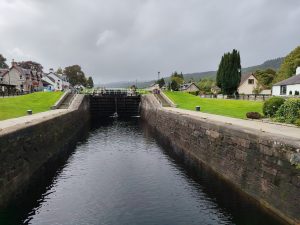
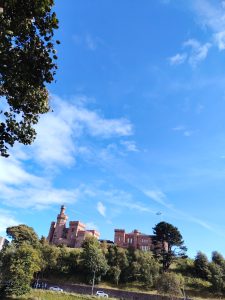
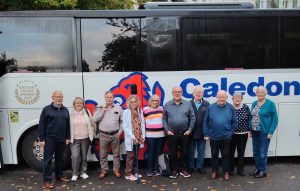
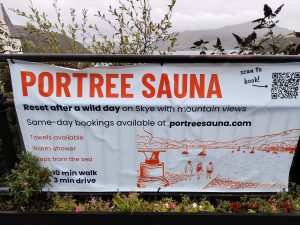
| Friday 25th Sep – Monday 28th Sep | Coach holiday based in Strathpeffer (One day to Skye, one day to Inverness). Note the 9.40am pickup time.
Contact Peter Shields. |
| Friday 9th Oct | Annual Dinner, 6.30pm for 7pm at the Strathearn Hotel.
Contact Ragnar Ingebrigtsen. |
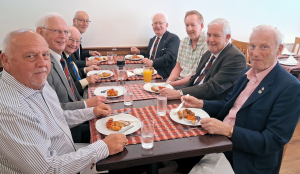
| Tuesday 20th October | Curry Lunch. |
| Saturday 24th October | Glasgow and Edinburgh have fields of remembrance for the last Saturday in October where they lay crosses in the gardens so we have decided to be the first branch to do so outside these cities. We will be holding our own field of remembrance between 11am and 11:30am on Saturday 24th October. You will be able buy crosses from the Museum and Poppy Scotland will also attend the event.
Contact Peter Shields. |
| Wednesday 18th
November |
Coffee Morning at Weavers, 10am, price £4.50. |
| Saturday 21st Nov | Matinee performance from KAOS of “The Hunchback of Notre
Dame” at 2.30pm – tickets to be bought individually by members. |
CONVENERS REPORTS
Cycling: John Chalmers Nothing to report.
Further information: John Chalmers.
Gardening: Ron Steedman
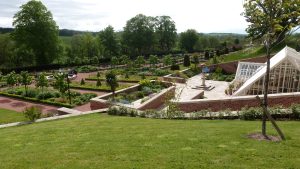
Last Wednesday we visited Phil Bate’s garden to admire his lovely garden. After a tour of the garden we sat outside for tea/coffee and home baked cakes.
Figure 1- Admiring Phil Bate’s Garden (see below)
Next meeting will be on Thursday 17th September at Kirkcaldy Golf Club, 10am. Further information: Ron Steedman.
Golf: Robin McAlpine
The last golf meeting was cancelled due to various injuries to members. We hope to play the Texas Scramble at Thornton on 8th October instead.
Further information: Robin McAlpine.
Lottery: Charlie Low
Collecting stake money for September/October.
Photography: Allister Todd
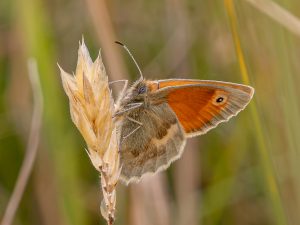
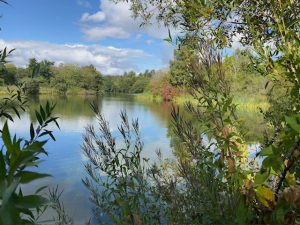
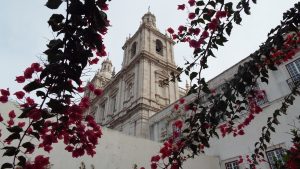
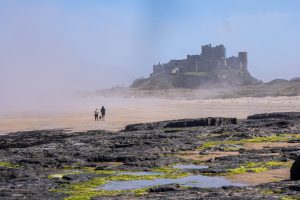
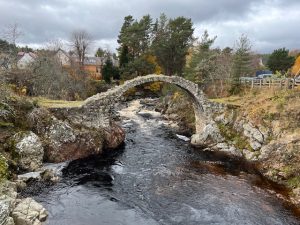
Next meeting – Thursday 24th September 10am. Kirkcaldy Golf Club, where we will hold a competition. Members should send in three photographs the week before which will then be judged.
Further information: Allister Todd.
Snooker: Malcolm Walker
Styx Snooker Club. Every Friday: 11.00 to 13.00. Further information: Malcolm Walker.
Walkers: Ken Campbell
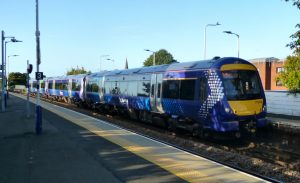
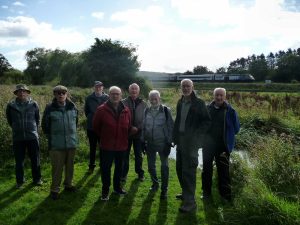
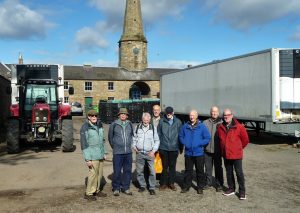
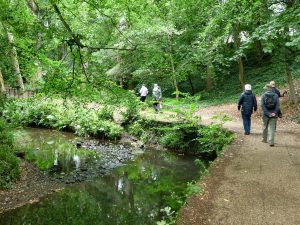
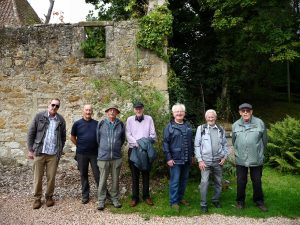
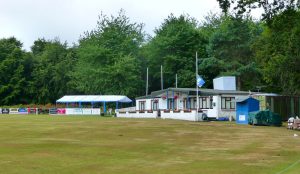
Last Tuesday, again on a lovely September morning, despite the unpredictable forecast, nine of our ‘Walking Group’ members went on our monthly ‘Walk’, this time to Cupar. As with our last outing, eight of our Group, met up at Kirkcaldy Railway Station at 9.30am to board the
9.39am train to Cupar, with Phil, – joining our train at Markinch.
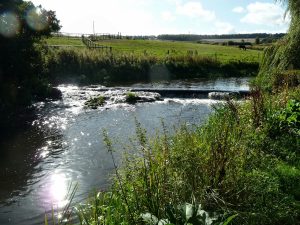
On reaching Cupar at around 10.00am, we then commenced our walk along the banks of the River Eden.
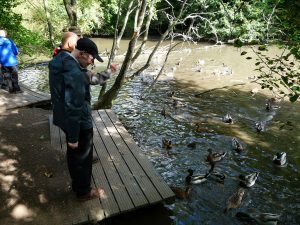
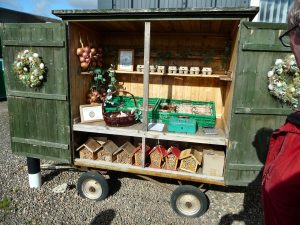
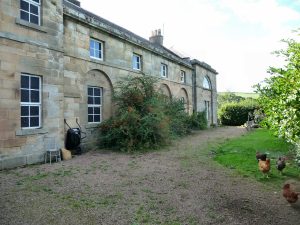
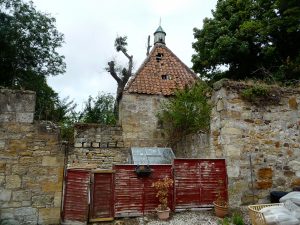
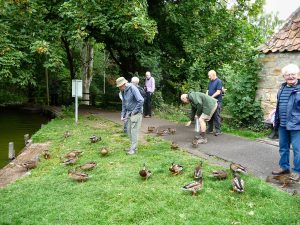
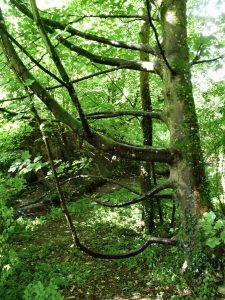
A pleasant amble along pavements ; tarmacked pathways and some footpaths then proceeded, enjoying the glorious nature which surrounded us along the way, including Tarvit Pond with its numerous ducks and finally Tarvit Home Farm. Where varied berry fruits were available for purchase through an ‘Honesty Box’.
On reaching the Farm, it was decided to return towards the town, by a different route. Given that we had walked for approx. 2 hours and 3.5 miles. It was time for some refreshments at ‘Fisher & Donaldson’s’ Bakery / Café in Cupar, where we enjoyed a light lunch and / or snacks & drinks.
After our lunch break, it was time to return to the railway station, to board the 12.49pm train back to Markinch & Kirkcaldy, arriving back at approx. 1.20pm.
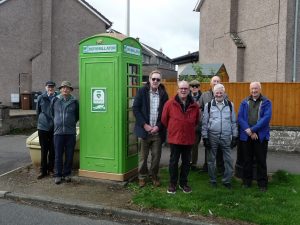
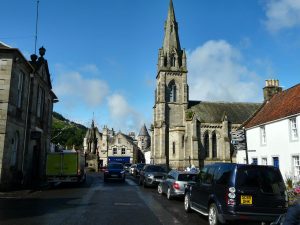
Figure 4 – Reused Phone Box (also a Library!) (see below)
Again I would repeat my invitation for you to Join us and get some exercise on our future ‘ Walks ’. details of which, you never know, you may learn some interesting facts about the locations along with that of your fellow members. !!!!!!
The details of our next ‘Walk’ will follow at a later date.
SPEAKER
The speaker was introduced by Jack Lowther and was Gordon Stewart on “International Fire and Rescue”. Gordon was a Fife Council mechanic working on Fife Fire & Rescue vehicles and equipment. He retired 13 years ago and has been with the IFRA – International Fire & Rescue Association charity for over 20 years where he has done a lot of work in South America.
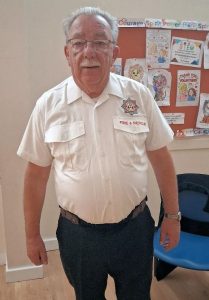
Our HQ is in Thornton but many people do not know about the organisation (website link = https://www.ifra.org.uk/). Our chairman and founder was David Kay OBE. He was out in Bosnia after the war delivering medical aid from an Edinburgh charity. Being a fireman he visited the fire station to see how it was coping. He found the fire tender was in bits as it had driven over an anti-tank mine and all their equipment was completely wrecked. Even worse was that buckets of water were being used to fight fires.
He came home and reflected on the danger these firefighters were in due to lack of equipment. He got a few more people involved and managed to get some land rover type vehicles and kitted them out with as much equipment as he possibly could for fighting fires. When they arrived, the Bosnians were very impressed as the vehicles were very light and would not set off the anti-tank mines. He invited them to Fife to see how the fire service works. During their two week visit they were shown many fire stations, the Fife headquarters, mine rescue operations and a visit to Edinburgh Airport
He then started International Fire and Rescue initially expecting around two visits abroad a year with the vehicles plus training teams. Starting in 2002, we have now sent out 125 vehicles plus 99 40ft containers full of equipment including rescue equipment and PPE.
We have helped Bosnia, Serbia (where we sent ambulances allowing children the chance to get outside their hospital for the first time) and Albania. The Albanians due to their history don’t trust people giving things for free so are difficult to work with.
In Africa we have helped Namibia and Sierra Leone. During Covid we were gifted beds and other equipment from two hospital wards being closed down so we sent the equipment to Sierra Leone. In Namibia the fire tender we sent ended up in a game reserve. When the chairman visited he was photographed with a Cheetah who was wandering around quite happily. He was then told that one of the African workers had been eaten by a Lion.
In the Gallipolis Islands we sent PPE kit as they had their own vehicles. We also support South America with annual visits to Paraguay, Argentina and Uruguay (such visits also apply to Mexico and Albania).
In total we have helped 25 countries since we started so we are quite busy. At the moment we have two vehicles going to Paraguay via Tilbury Docks this week. The vehicles are fully loaded with firefighting & rescue equipment including PPE. Training is provided to local firefighters on arrival in the country.
I have been to South America ten times, the first time came as a shock as I could not believe what I was looking at as there were firefighters standing in the central reservation of a busy road cleaning car windows at traffic lights for money. The money was being used to buy fuel for the fire tender so they could attend the next fire. They have very little government help. Insurance was also an issue as companies refused to insure firefighters.
In the UK, when the fire bell rings, firemen run downstairs (no poles allowed anymore due to health and safety) and many equipment and personnel checks are made before the fire engine leaves the station. In Paraguay the firemen are all volunteers so come running in from all directions to the station and simply head off to the fire. Sometimes the cab is full so firefighters have to climb on top and hang on to the ladder. We once paid for hospital treatment for a fireman that fell off an engine while travelling to a fire because of the lack of insurance
Mexico is another strange place with much danger. While tourists tend to stay in hotel complexes, firefighters are outside in the towns and countryside so more at risk (cities are better covered for fire resources). When talking to a town leader he was asked how long a fire tender would take to arrive. The answer was 1.5hrs if they are not busy – and this was to a fight a fire at a hospital. Ambulances can take an hour to arrive. To help this town we supplied a fire tender, ambulance and police van full of equipment.
We won the Queens Award for Voluntary Service in 2019 with a visit by Princess Anne planned in 2022. We were all ready and prepared at a local field for her helicopter to arrive but unfortunately it was the same day that the Queen died so the helicopter could not be used. Instead, she visited a few weeks later.
Questions
Where do you get your cash? We get some donations, including via tin collections outside supermarkets. We have a party night near Christmas where we sell tickets. We also do fire cover for the film industry where all fees go straight to the charity. Nowadays we have to buy fire tenders as the fire service need the money so do not give them away free anymore.
Do you help with earthquake disasters? Some of our people have been out to such emergencies but it’s not our usual activities. We tend to help countries after wars have stopped to rebuild fire and ambulance services.
Some of these countries you help are hard to deal with regarding customs and immigration. Have you ever had problems with bureaucracy and do you get help from UK embassies etc.? Yes, we do get some help and need to liaise with embassies to ship our equipment into the countries. All shipments also need to he palleted and itemised. Once, one of our containers was held up for three months due to documentation issues as there was a mismatch between
the listings and the actual contents. In Argentina there is one port that will not accept gas cylinders and another that will not take the associated backplates that make up the breathing apparatus. Therefore we need to split the shipments into several ports.
Have you worked in Ukraine? Because its an ongoing war its not in our constitution to help. But we have sent paramedic vehicles and rescue boats out (there was a big flood due to a dam burst). One of the vehicles we sent was destroyed by Russian action within three weeks of arriving. Some vehicles we send via other organisations.
Are you involved in bringing firefighters together and sending them to a disaster area? No, this is not something we would do although we have sent individuals to disasters to help out. We normally send equipment and provide training only. Once in Paraguay there was a fire at a supermarket where gas cylinders which were being sold next to clothing stalls. We visited to observe when a big noisy American fire tender turned up. The firefighter jumped down and got the hose out, checked he had water, and then ran into the burning building. He was wearing flip flops, shorts, a t-shirt and a builders helmet. This is why we ship proper equipment!
The Vote of Thanks was given by John Chalmers who told everyone that this is a truly international organisation spanning 25 countries all over the world. What is really heartwarming is that redundant materials can make such an impact in a country with less infrastructure and organisation. Also I looked at your website and it refers to the many retired people working at International Fire and Rescue. This is keeping valuable experience within the organisation. All power to you and we hope you continue your good work.
NEXT MEETING
Date: 6th October 2026
Speaker: Darren Clark
Topic: “Brazilian Jui Jitsu”
Vote of Thanks: Peter Shields
AOCB:
The next Committee meeting will be held in Pathhead Church Hall on 21st October at 10am. The meeting closed at 11:14hrs.
Allan Morton
Secretary
USEFUL LINKS AND CALENDAR
Website: probusonline.org/raith-of-kirkcaldy/
Facebook: facebook.com/RaithProbusClub
Calendar: calendar.google.com/calendar …
Secretary Email: RaithProbusSec@gmail.com
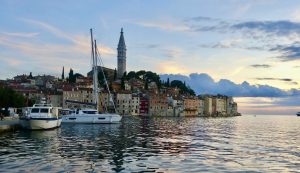
September 2026 Photo Competition
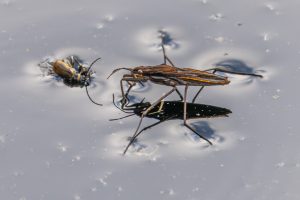

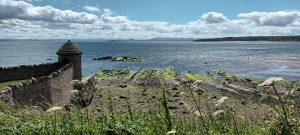
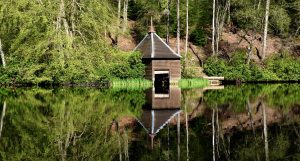
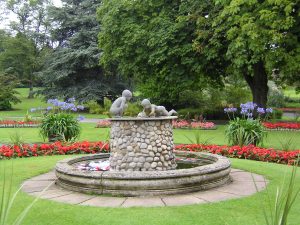
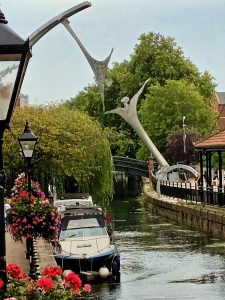
MINOLTA DIGITAL CAMERA

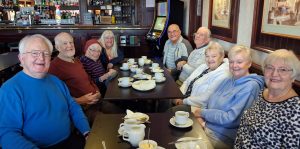
September 2026 Weavers Coffee Day
September 2026 Strathpeffer Bus Tour
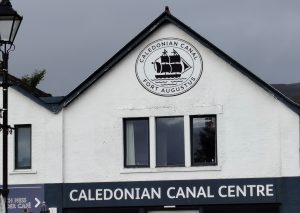
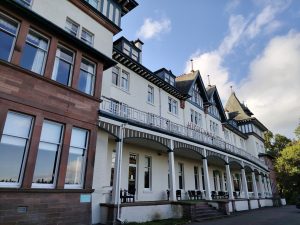
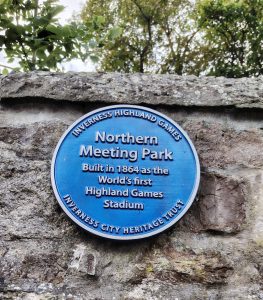
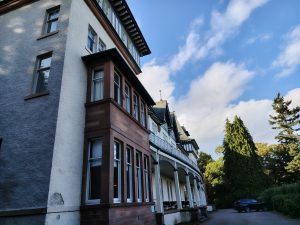
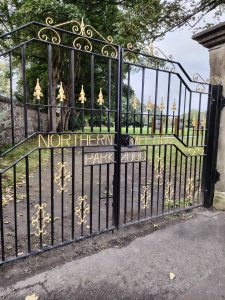
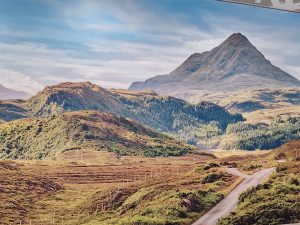

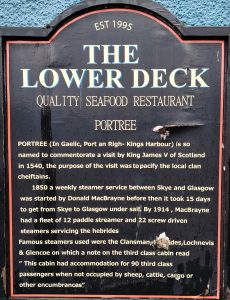
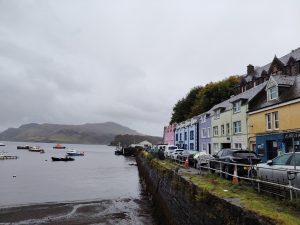
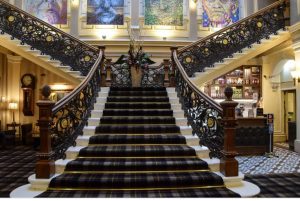
Royal Highland Hotel Model Titatanic Stair
3 Amigos Cruising
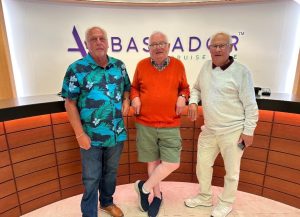
Sept 2026 Cupar, Riverside East / Tarvit Pond / Tarvit Farm.Walk

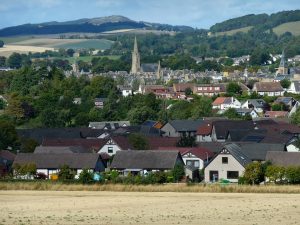
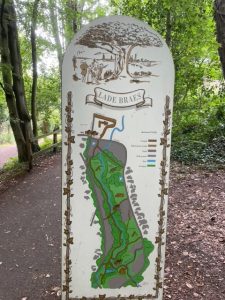
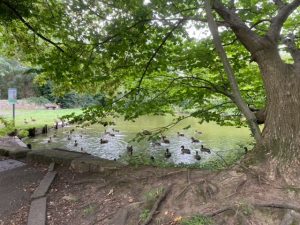
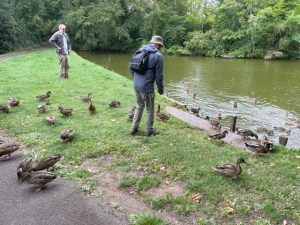
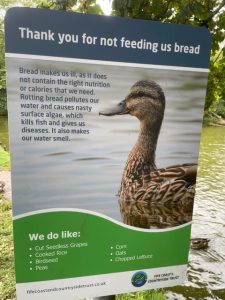
25th August Lade Braes St Andrews
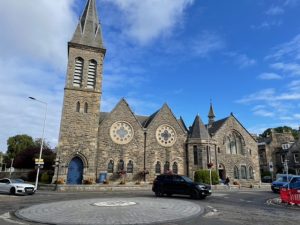
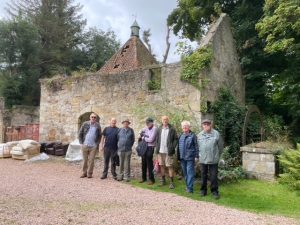
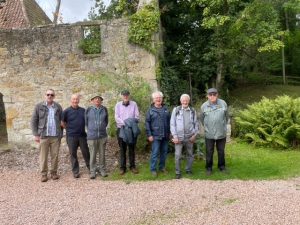
18th August 2026 Curry Club
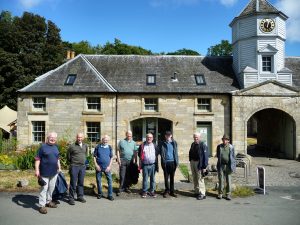
Falkland Walk
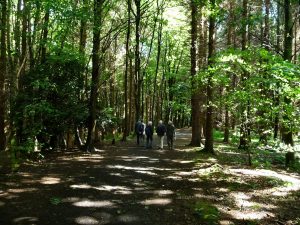
Bill Brown Dumfries Gardens

2017 2026